From a single BMW model in 2020 to dozens of brands today, Apple Wallet’s digital car key keeps gaining momentum. Could it soon become as standard as a seat belt? It looks to be headed that way, at least — and for good reason.
Automakers adopt iPhone car keys
Not long ago, leaving the house without your car keys meant turning around. Today, for a growing number of drivers, the key is already in their pocket. It lives quietly inside the iPhone they carry anyway. Apple Wallet‘s car key feature, which lets iPhone and Apple Watch owners lock, unlock and start compatible vehicles without ever reaching for a traditional key fob, is picking up steam at a striking pace.
What began as a single-brand experiment parallel to Apple CarPlay has grown into a broad automotive movement. And industry observers say the trajectory points toward one destination: a world where physical car keys are the exception, not the rule.
How it works
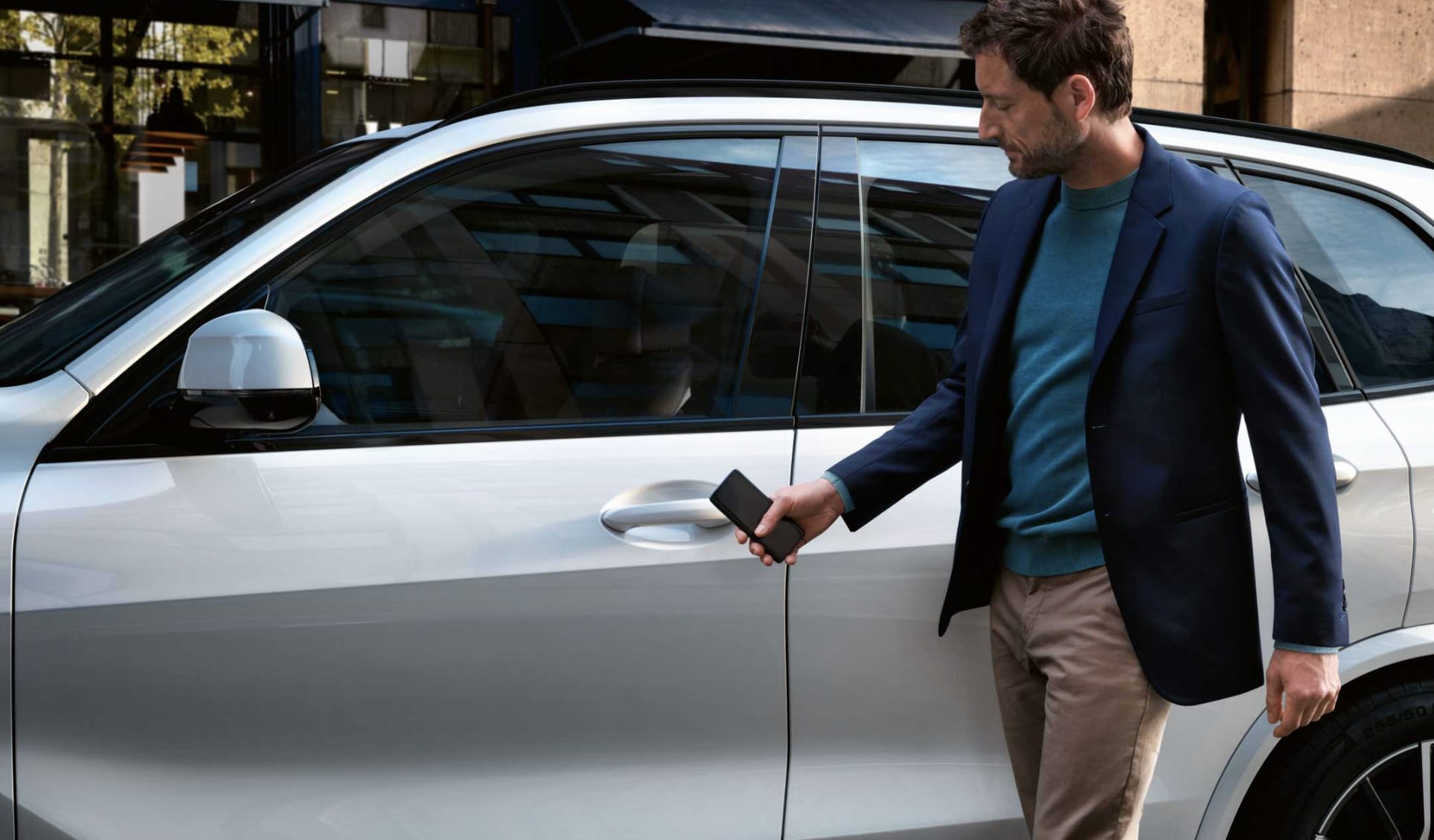
Photo: BMW
The feature lets users add a digital version of their car key to the Wallet app, then use it to lock, unlock and start their car. The experience depends on which technology a given vehicle supports. With NFC, you tap your iPhone against the door handle. With Ultra-Wideband (UWB), the car detects your phone in your bag or pocket and unlocks automatically as you approach — and locks again when you walk away. Once added, the car key enters an Express Mode, allowing you to use the feature without Face ID or a passcode. Apple says the key continues to work for up to five hours after your iPhone runs out of battery.
One of the most practical benefits is key sharing. The actual selling point is the ability to remotely share copies of your key with other iPhone users — useful for families, valets or anyone who needs to hand off vehicle access without handing over a physical key.
From one partner to dozens
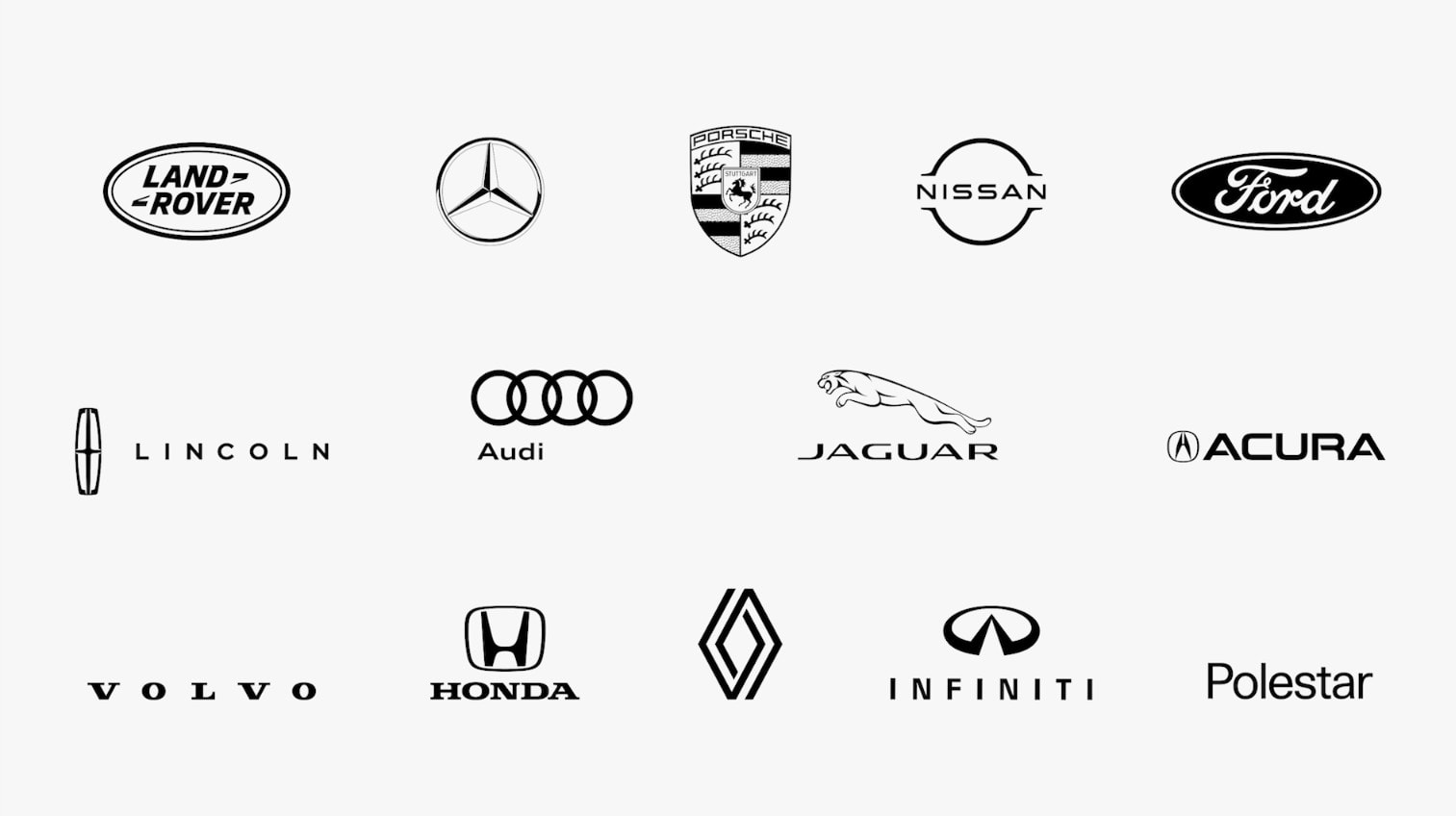
Photo: Apple
Apple announced the car key feature at WWDC 2020 as part of iOS 13.6, with BMW as the launch partner. BMW began shipping vehicles with Apple car key support in July 2020, starting with the 2021 5 Series. From there, uptake among other brands was gradual. But it has been accelerating.
At WWDC 2025, Apple confirmed that 13 more manufacturers are joining the initiative. They include Cadillac, Porsche, Genesis, Hyundai, Smart, Audi and Polestar. General Motors’ addition is especially notable for its scale. GM announced Chevrolet, GMC and Cadillac will begin rolling out Apple Wallet digital keys for select 2025 and 2026 models.
Electric vehicle brands have been among the most enthusiastic early adopters. Rivian is rolling out Apple Wallet car key support for second-generation R1S and R1T vehicles (but not CarPlay). The car key implementation includes Ultra Wideband technology for passive entry and Express Mode functionality. The system also includes a Power Reserve feature and the ability to share keys with up to eight people via AirDrop or messaging.
Toyota’s entry into the ecosystem could be the most significant development yet. Apple’s backend systems were updated to include Toyota among supported manufacturers. The integration went live on Apple’s servers in December 2025. Toyota’s participation is strategically crucial given their existing digital infrastructure and massive global scale.
The standard-setting machinery behind the scenes
Underpinning this expansion is an industry body most drivers have never heard of: the Car Connectivity Consortium. CCC reported that the number of carmakers seeking certification for its Digital Car Key program soared in 2025. In January 2026, the consortium reported a total of 115 vehicles from a growing collection of automakers had sought and received Digital Key Certification the previous year, including a first-time certification from Chinese manufacturer XPENG — representing what the consortium considers a turning point for the industry.
Released in 2021, Digital Key version 3.0 added support for Ultra Wideband technology alongside Bluetooth LE. Four years later, CCC readies Digital Key version 4.0, with Apple and other CCC members conducting real-world testing. That next-generation standard could further widen compatibility and tighten security across platforms.
The holdouts — and why they hesitate
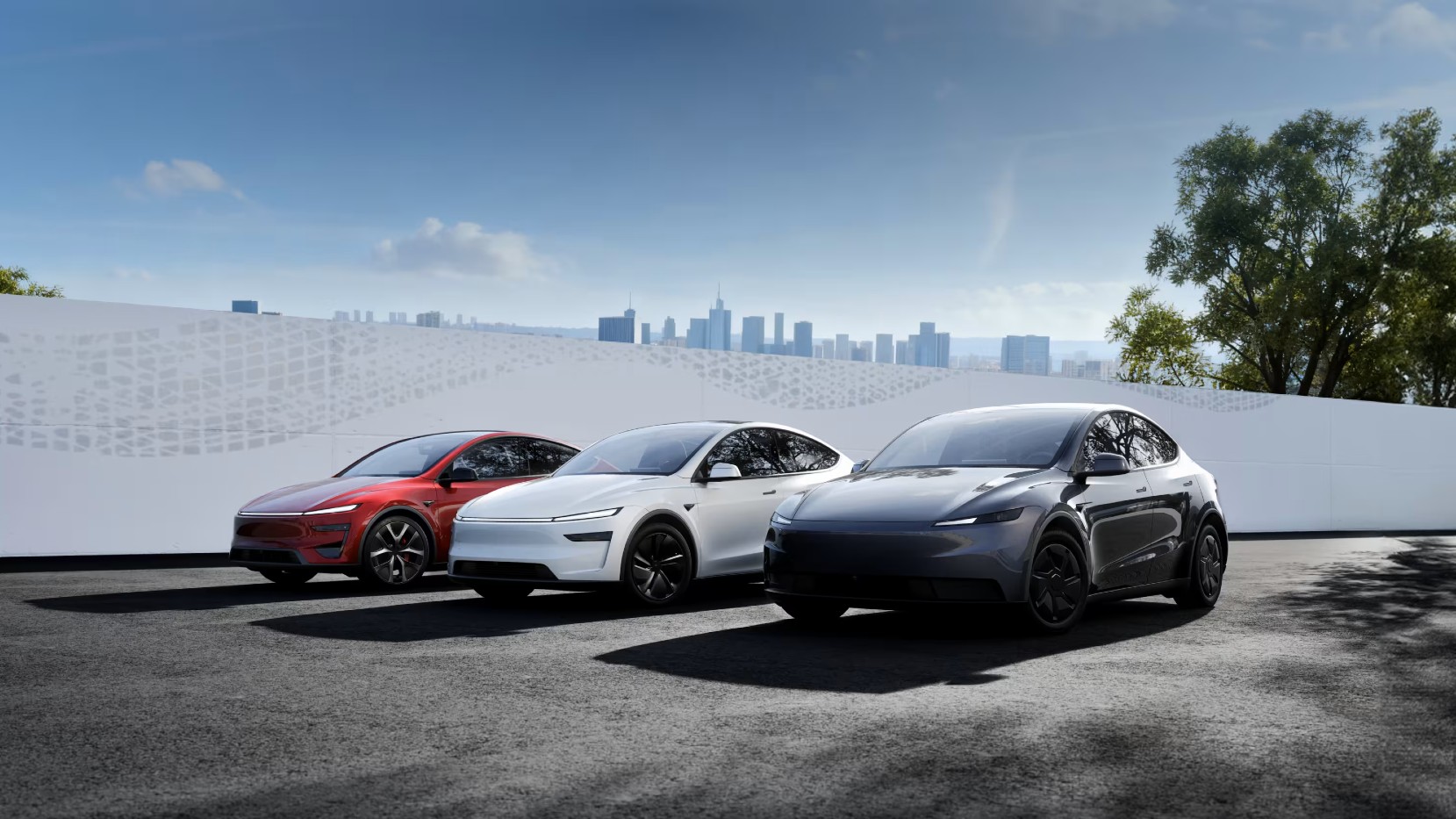
Photo: Tesla
Despite the momentum, some major players remain absent. Some carmakers seem reluctant to integrate the system into their vehicles. The two most cited reasons are standardization and costs. Car manufacturers might have to change hardware suppliers just to enable digital keys, which many refuse to do.
For Toyota, there is also a financial angle. Toyota’s proprietary digital key system requires a Remote Connect subscription costing $8 monthly for standalone service, generating an estimated $200 million annually. The economics explain the automaker’s reluctance to cede that ground to Apple’s free, built-in solution.
Tesla, meanwhile, operates its own phone-as-a-key system and has historically kept its ecosystem tightly closed. However, Tesla app code has hinted at Apple Wallet Car Key support coming soon — a development that, if confirmed, would represent a watershed moment for the feature’s reach.
Automakers adopt iPhone car keys: A standard feature in the making?
The market data suggests the broader digital car key trend is moving in one direction. The automotive digital key market was valued at approximately $4.63 billion in 2024 and is projected to reach $15.25 billion by 2030.
With more brands expected to join, Apple Wallet car keys are slowly becoming a standard feature in modern vehicles. The shift mirrors what happened with wireless CarPlay, touchscreen infotainment and USB-C charging ports — features that once seemed premium now barely register as noteworthy on a new-car spec sheet.
For iPhone users, the pitch has never been simpler: the key is already in your pocket. It seems carmakers are listening.

David Snow, an expert on Apple hardware and software, writes on a variety of technological and cultural topics for Cult of Mac. They include Apple news, technology buying guides, and features about computer setups and Apple TV shows and movies.
With 30 years of experience covering technology and other subjects, he has written and edited for numerous print and online publications, including CMP Media, TechTV.com, CNET, Wired News, Red Herring magazine, Law.com, The National Law Journal and Law Technology News magazine. Among other roles, he served as executive editor of the Law.com network of websites and editorial director, technology, for ALM Media.
Snow graduated with a B.A. from Syracuse University with majors in magazine journalism and psychology. While there, he worked as a reporter for The Daily Orange newspaper and associate editor of Equal Time magazine.
Founder of the blog At the Waterline, he can be reached on X (formerly Twitter) via @atthewaterline and on Mastodon via @dsnow.